Is Online Speech Therapy as Effective as In-Person? What the Research Says
A research-backed look at teletherapy effectiveness, who benefits most from online speech therapy, and how to get the best results from virtual sessions.
David Kim
Adult Speech Therapist

If you're considering speech therapy—for yourself or your child—you've likely wondered about online options. Teletherapy (also called telepractice or virtual therapy) has grown enormously, especially since 2020. But the question remains: is online speech therapy really as effective as traditional in-person sessions?
As clinicians who provide both in-person and teletherapy services, we get this question constantly. In this article, we'll dive into what the research actually shows, explore who benefits most from online therapy, and share practical tips for getting the best results from virtual sessions.
What the Research Shows
The research on teletherapy effectiveness has grown substantially, and the findings are encouraging. Multiple systematic reviews and meta-analyses—the gold standard of research evidence—have examined this question.
Overall Effectiveness
A 2024 systematic review and meta-analysis published in the Journal of Speech, Language, and Hearing Research examined multiple high-quality studies comparing telehealth to face-to-face speech therapy. The conclusion: teletherapy produces outcomes that are generally comparable to in-person therapy across a range of conditions.
This doesn't mean the two modalities are identical—there are nuances and individual differences. But on average, people receiving teletherapy make similar progress to those receiving in-person care.
"Research consistently shows that teletherapy is not a second-rate option—it's a valid, effective service delivery model that works well for most people receiving speech therapy."
Condition-Specific Findings
Research has examined teletherapy effectiveness for specific conditions:
- Voice Disorders: Studies on Lee Silverman Voice Treatment (LSVT) for Parkinson's disease found no significant differences between telehealth and in-person delivery for voice outcomes, intelligibility, and quality of life measures.
- Stuttering/Fluency: Research shows equivalent outcomes for stuttering frequency and severity between teletherapy and face-to-face treatment.
- Speech Sound Disorders: Children receiving articulation therapy via teletherapy show similar improvement to those receiving in-person therapy.
- Post-Stroke Aphasia: Most studies show comparable outcomes, though one study found in-person therapy led to better self-rated communication confidence.
- Swallowing Disorders: Dysphagia assessment and treatment via telehealth has been found effective and reliable.
Advantages of Teletherapy
Beyond being 'as good as' in-person therapy, teletherapy offers some distinct advantages:
Convenience and Accessibility
- No travel time or transportation costs
- Access to specialists regardless of geographic location
- Easier to fit into busy schedules
- Reduced missed appointments due to illness, weather, or childcare issues
- Essential for those in rural or underserved areas with limited local services
Comfort and Naturalistic Environment
- Clients can participate from their own comfortable environment
- Reduced anxiety for some clients, especially children
- Therapist can see and coach in the real-life environment where skills need to be used
- Parents can more easily participate and learn strategies
Technology Benefits
- Screen sharing for engaging activities and visual supports
- Digital materials that can be used across sessions
- Easy recording of sessions for review (with consent)
- Some clients, especially children, are highly engaged with technology-based activities
Potential Limitations
Teletherapy isn't perfect for everyone or every situation. Some limitations to consider:
Technical Requirements
- Requires reliable internet connection
- Need appropriate device (computer, tablet, or smartphone)
- Technical difficulties can disrupt sessions
- Not everyone is comfortable with technology
Clinical Considerations
- Some assessments are more difficult or impossible to conduct remotely
- Hands-on techniques (oral motor exercises, tactile cues) can't be done directly
- May be harder to maintain attention for some clients, especially young children
- Therapist can't physically position materials or provide physical prompts
Individual Factors
- Some people simply prefer face-to-face interaction
- Very young children or those with significant attention difficulties may struggle
- Some home environments aren't conducive to focused therapy
Who Benefits Most from Teletherapy?
Based on research and clinical experience, teletherapy tends to work especially well for:
- School-age children and teens who are comfortable with technology
- Adults seeking therapy for stuttering, voice, accent modification, or aphasia
- Anyone who has difficulty accessing in-person services due to location, mobility, or schedule
- Follow-up and maintenance therapy after initial in-person treatment
- Parent coaching and training for carrying over skills at home
- Clients who experience anxiety in clinical settings
Teletherapy may be more challenging (but not impossible) for:
- Very young children (under 3) who need hands-on facilitation
- Individuals with severe attention or behavioral challenges
- Complex feeding/swallowing disorders requiring hands-on assessment
- Initial evaluations for some conditions
Tips for Successful Teletherapy
Whether you're considering teletherapy for yourself or your child, here's how to maximize success:
Set Up for Success
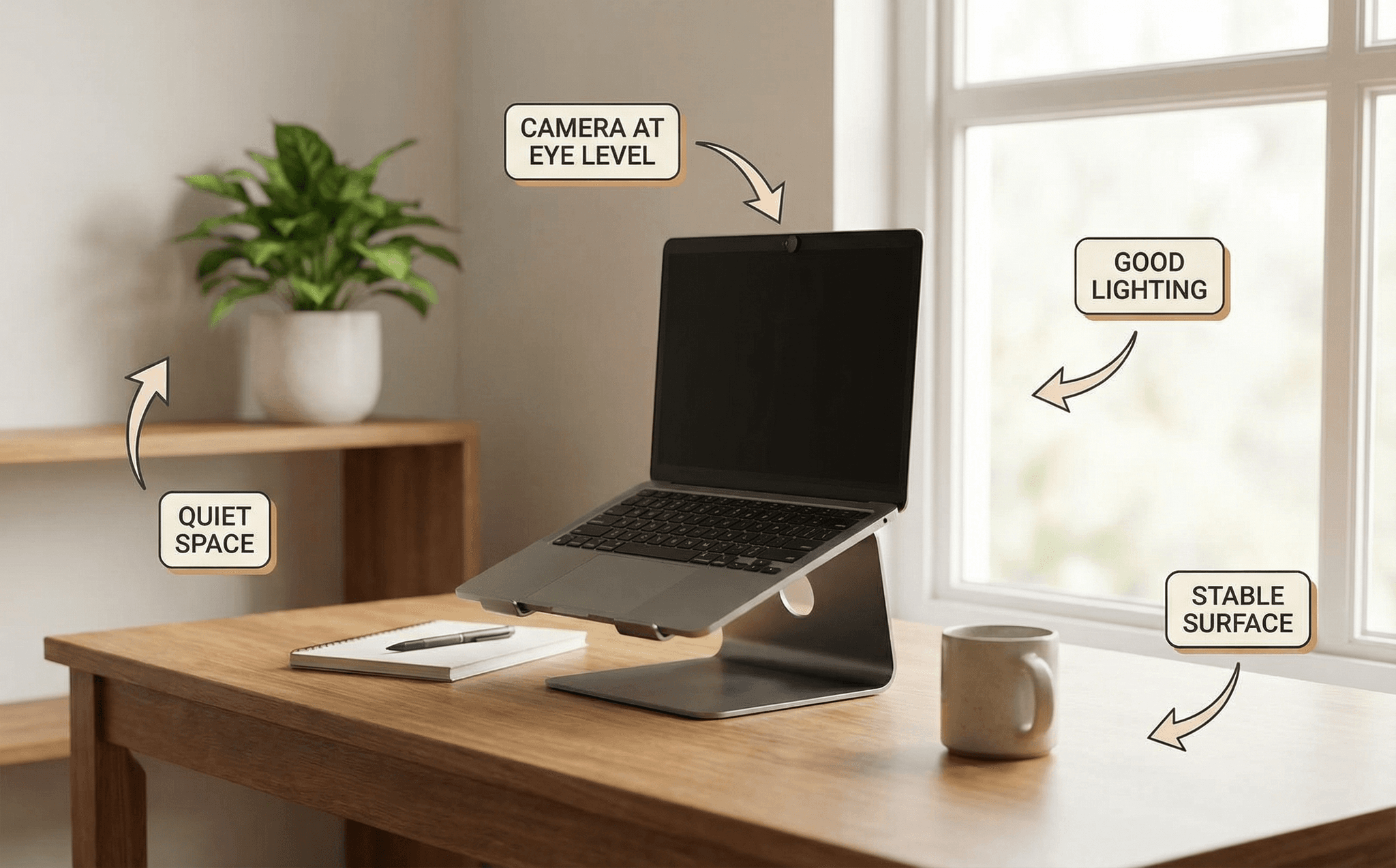
- Choose a quiet, well-lit space with minimal distractions
- Test your technology before the first session
- Use headphones to improve audio quality and reduce echo
- Have a stable surface for the camera at eye level
- Ensure good internet connection (wired is more reliable than WiFi)
During Sessions
- Minimize background noise and distractions
- Have recommended materials ready
- For children, have a parent nearby for support if needed
- Engage actively—teletherapy works best with active participation
- Communicate with your therapist if something isn't working
Between Sessions
- Complete assigned practice activities
- Use any digital materials or apps recommended
- Note questions or challenges to discuss next session
- Apply strategies in real-life situations
Patient and Provider Satisfaction
Beyond clinical outcomes, satisfaction matters. Research shows that most people receiving teletherapy are satisfied with the experience. One study found that 80% of patients preferred teletherapy over face-to-face sessions, citing convenience as a major factor. Therapists also report high satisfaction with teletherapy when they have proper training and technology.
The Hybrid Approach
Many practices, including ours at Horizon Speech Therapy, now offer hybrid models that combine in-person and teletherapy sessions. This approach offers the best of both worlds:
- In-person sessions for comprehensive evaluations and hands-on work
- Teletherapy sessions for convenience and consistency
- Flexibility to switch based on needs, schedule, or circumstances
- Parent training via teletherapy while child receives in-person treatment
The Bottom Line
Is online speech therapy effective? The research clearly says yes—for most people and most conditions, teletherapy produces outcomes comparable to in-person therapy. It's not a compromise or second-best option; it's a valid, evidence-based service delivery model with unique advantages.
The best therapy modality depends on your individual needs, preferences, and circumstances. At Horizon Speech Therapy, we offer both in-person and teletherapy services throughout British Columbia, and we're happy to help you determine which option—or combination—would work best for you.
Interested in trying teletherapy? We offer free virtual consultations to discuss your needs and determine if teletherapy is a good fit. Contact us to schedule.
Need Help With Your Communication Goals?
Our team of experienced speech-language pathologists is here to help. Book a free consultation to discuss your needs.
Book Free ConsultationWritten by
David Kim
Adult Speech Therapist
David Kim is a licensed speech-language pathologist at Horizon Speech Therapy, passionate about helping clients achieve their communication goals.