Swallowing Therapy
Eat and drink safely with confidence
Expert evaluation and treatment for swallowing difficulties, helping you eat and drink safely.
At a Glance
Session Length
45-60 minutes
Typical Duration
Varies by severity
Availability
In-Person & Virtual
For
About
Swallowing Therapy
Dysphagia can lead to serious complications including aspiration pneumonia and malnutrition.
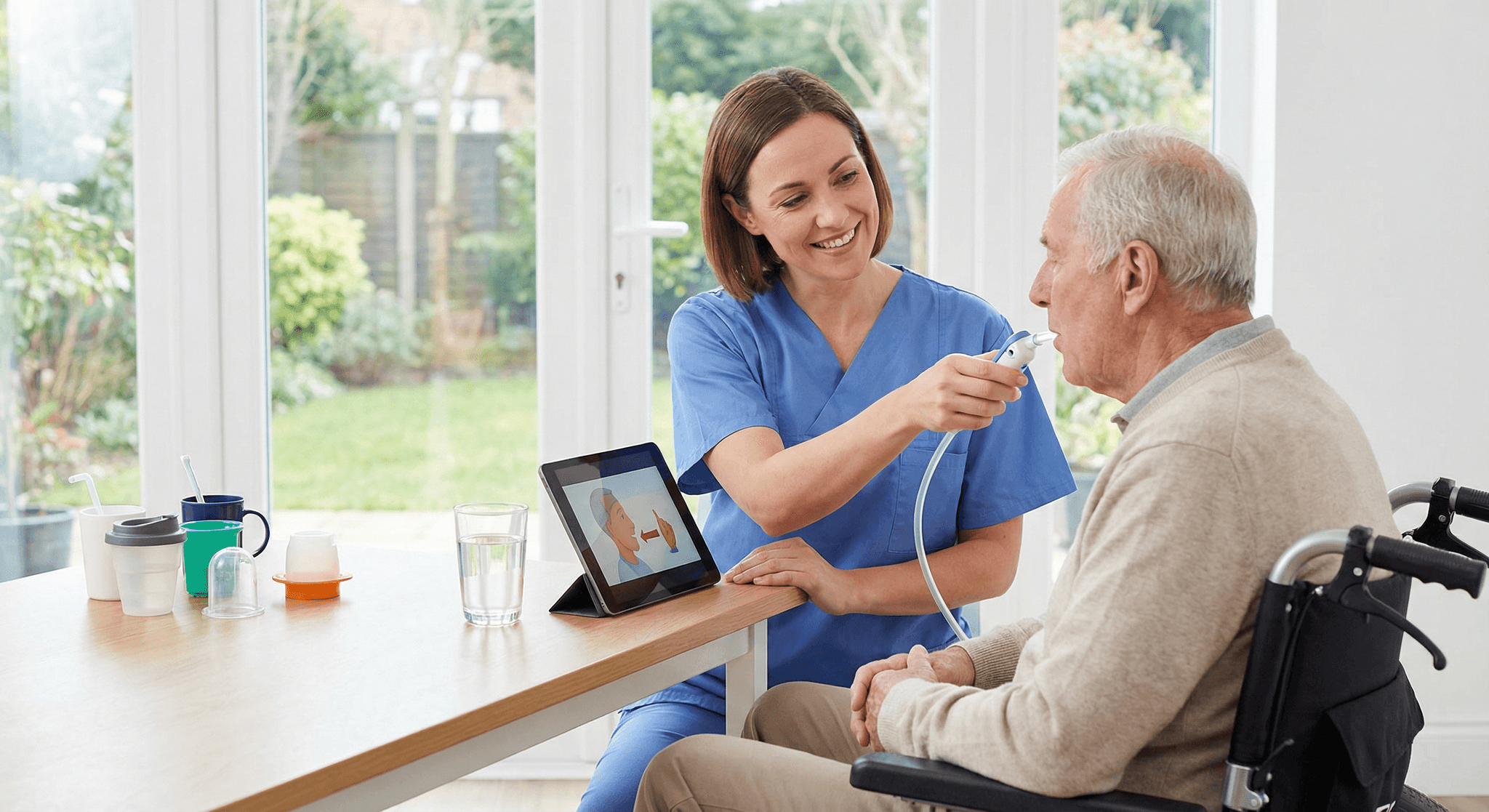
Our therapists are specially trained in evaluation and treatment of swallowing disorders, working closely with physicians.
What We Treat
Conditions
Methods
Treatment Approaches
Swallowing Exercises
Strengthen muscles involved in swallowing.
Diet Modification
Determine safest food textures and liquid consistencies.
Compensatory Strategies
Learn positions that make swallowing safer.
Caregiver Training
Educate family on safe feeding practices.
Process
How It Works
Evaluation
Assess swallowing function and risk factors.
Assessment
Coordinate swallow study if needed.
Plan
Develop individualized treatment plan.
Therapy
Practice exercises to improve safety.
Progression
Advance diet as swallowing improves.
Results
Expected Outcomes
FAQ
Common Questions
What are signs of swallowing problems?
Coughing while eating, wet voice after swallowing, food sticking in throat, or weight loss.
Is dysphagia dangerous?
It can be—aspiration can lead to pneumonia. Proper evaluation and treatment are important.
Ready to Start?
Book your free 15-minute consultation to discuss your needs.